

You crack open a book, and instantly your brain jumps into action. What reading does to your brain is that; reading lights up and connects brain regions for vision, language, memory, and focus, which, over time, strengthens how you process information.
This activity isn’t just about entertainment. It supports attention, learning, and even calm—something we could all use more of.

As you flip through pages, your brain maps letters to sounds, builds meaning, and tucks away details. Studies on how reading changes the brain show that practice ramps up activity in key areas and boosts speed and understanding.
That’s why steady reading can sharpen thinking and help dial down stress.
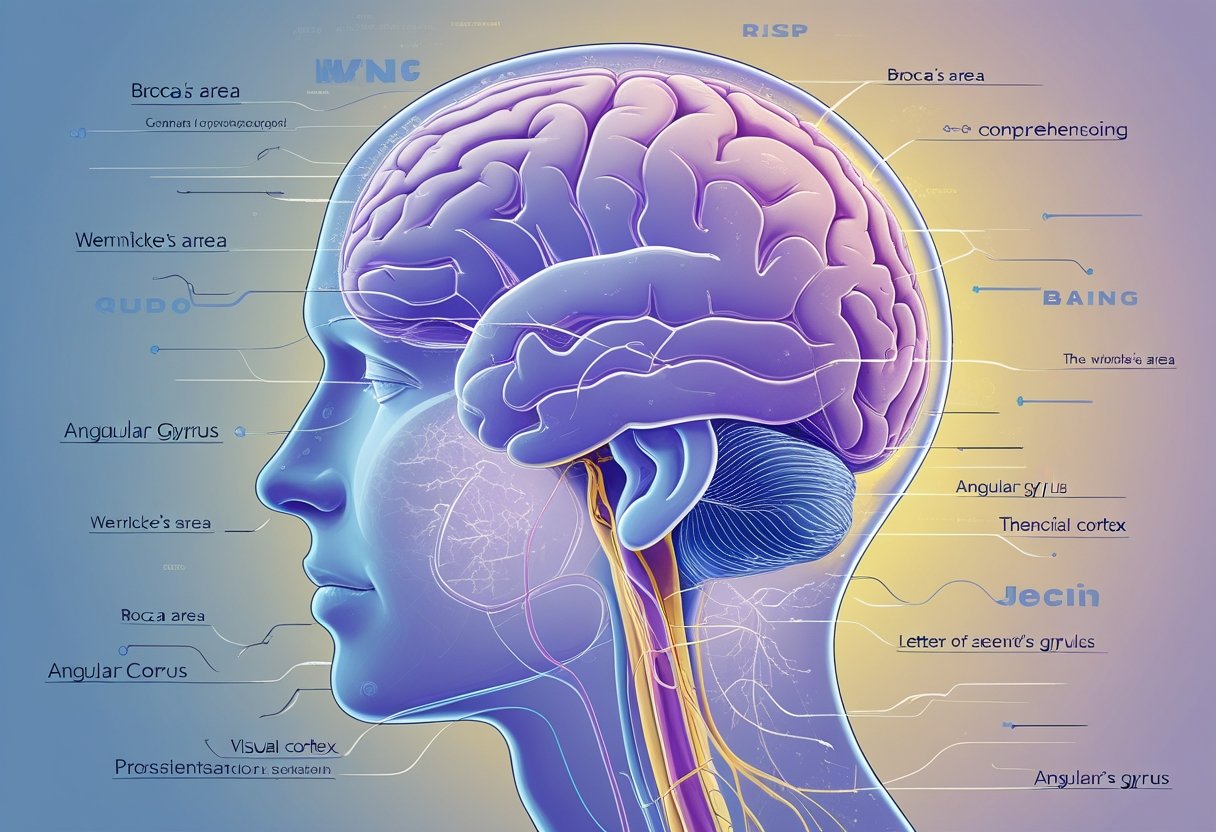
When you read, your brain links vision, sound, and meaning all at once. Specific regions handle letters, speech sounds, and meaning, but different reading tasks shift how these areas team up.
What Reading Does To Your Brain: Key Areas Activated
You actually use several brain areas at once while reading. The left temporal lobe helps you map sounds to words, while Broca’s area supports language control and meaning.
Visual regions in the back of your brain pick out letters and word shapes. Research from Harvard Medical School shows these regions form a tight network—each with a job, but none working solo.
As your reading skill improves, these areas respond faster and with less effort. Studies reveal that reading practice can change brain structure over time, especially in regions tied to language and emotion, as described in recent research.
Main regions and roles
| Brain Area | Primary Role |
|---|---|
| Visual cortex | Recognizes letters and words |
| Temporal lobe | Links sounds to meaning |
| Broca’s area | Supports language control |
Phonological Processing and its Role
Phonological processing lets you hear and work with speech sounds in your mind. You need this to match letters with sounds, blend them into words, and keep words in memory as you read.
Neuroimaging reviews show this process relies on the left temporal lobe and nearby language areas. A big review of brain studies explains how these regions shift as you move from letters to full sentences in this comprehensive look at reading processes.
When phonological processing goes smoothly, reading feels automatic. If it struggles, decoding words takes more effort. That’s why sound-based skills matter—even for silent reading.
Phonological Awareness in Learning to Read
Phonological awareness is your knack for noticing and playing with sounds in spoken words. You use it when breaking a word into parts or hearing that two words rhyme.
Brain research shows this skill shapes how reading networks develop. Early reading leans more on sound-based regions, then shifts toward faster visual recognition. Imaging studies, like this meta-analysis, highlight clear brain patterns for this change.
Strong phonological awareness supports learning to read at any age. Without it, your brain uses slower workarounds. This finding guides lots of evidence-based reading methods in classrooms today.
Reading Aloud vs. Silent Reading
You tap into different brain systems when reading aloud versus reading silently. Reading aloud activates motor and auditory areas because you plan speech and hear your own voice.
Silent reading leans more on internal speech and control networks. Brain scans show steadier use of frontal and attention regions during silent reading, while spoken reading lights up sound and movement areas, as shown in studies on reading tasks.
Both forms build reading skills. Silent reading boosts speed and focus, while reading aloud reinforces sound accuracy and speech control.
How Reading Reshapes and Strengthens the Brain

Reading changes how your brain learns, processes language, and connects ideas. It tweaks brain structure, signal speed, and how you recognize written words.
Neuroplasticity and Brain Adaptation
Your brain adapts when you read, thanks to neuroplasticity. Each reading session activates language, memory, and attention networks at the same time.
Use them often enough, and these networks get stronger and faster. Studies show regular reading can ramp up activity in language regions. Intensive reading and language study can even change brain thickness in key spots, as explained in this research.
You grow the most when reading feels a bit challenging but not overwhelming. New words, longer texts, and tough ideas push your brain to adapt.
Structural and Functional Brain Changes
Reading shapes both the structure and function of your brain. Strong readers often show differences in the left side of the brain, the main hub for language.
Key areas include the temporal lobe and auditory cortex. These regions help you connect written words to meaning and sound. Research in reading shapes your brain shows these areas vary with reading skill, not just ability labels.
Reading also improves coordination between vision and language systems. This teamwork helps you understand text faster and with less effort over time.
White Matter and Gray Matter Differences
Reading affects both gray matter and white matter. Gray matter handles thinking and meaning. White matter carries signals between brain areas.
| Brain Tissue | Role in Reading |
|---|---|
| Gray matter | Word meaning and language processing |
| White matter | Speed and accuracy of communication |
Good readers often show stronger white matter connections between visual and language areas. These links help you move from seeing letters to understanding meaning. Brain research on how reading shapes your brain explains how these pathways support fluent reading.
Visual Word Form Area Specialization
Your brain develops a special spot called the visual word form area. This region, in the left occipital-temporal cortex, responds to written words.
You’re not born with it—it forms through repeated reading. Over time, it learns to spot letter patterns quickly, so you don’t have to sound out every letter.
This specialization lets you read smoothly and focus on meaning, not just decoding. Research on how reading affects the brain shows this area gets more precise as your skill improves.
If you read often, this system stays sharp and supports lifelong learning.
Cognitive and Psychological Benefits of Reading

Reading shapes how you think, remember, and react to information. It boosts understanding, builds focus, expands your vocabulary, and helps keep emotions balanced.
Enhanced Comprehension and Retention
When you read regularly, you train your brain to follow ideas from start to finish. This habit helps you understand tough topics and remember key points for longer.
Your brain links new facts to what you already know, which improves comprehension and retention over time. Longer texts—books or deep-dive articles—work best for this.
Research shows reading activates multiple brain regions at once, supporting deeper understanding and recall. You can see more in studies on how reading affects the brain.
You also get better at spotting main ideas and patterns. These skills spill over into work, school, and daily problem-solving.
Memory and Concentration Gains
Reading strengthens your working memory. You have to remember characters, facts, and earlier points while you keep going. That ongoing mental effort sharpens your ability to hold and use information.
Focused reading also trains your attention. Unlike scrolling or watching videos, reading demands steady focus. Over time, you’ll probably notice it’s easier to stay on track during meetings or tasks that need real attention.
Health research links regular reading to better memory and less mental fatigue. Articles like this one highlight these benefits.
Vocabulary and Language Skills
Reading introduces you to words you won’t hear in daily conversation. Seeing words in context helps you pick up meaning, tone, and usage—no memorizing needed.
Fiction improves dialogue and emotional language. Nonfiction boosts technical and informational vocabulary. Both help you write and speak more clearly.
Consistent reading builds stronger language pathways in the brain. Research on how reading changes your brain explains how exposure sharpens language processing.
Key language benefits include:
- Better spelling and grammar recognition
- Faster reading speed with understanding
- Clearer expression of ideas
These gains support you at school, work, and in daily life. Not bad for something you can do with a comfy chair and a good book.
Stress Reduction and Emotional Health
Reading pulls your mind away from daily pressure, lowering stress in the process. Your heart rate might slow, and muscle tension sometimes eases after just a few minutes of quiet reading.
Stories give you a safe space to process emotions. Fiction lets you see the world through other perspectives, which can boost empathy and emotional awareness.
This kind of emotional growth supports mental health without any complicated steps. Even a short daily reading habit can leave you feeling a bit calmer and more balanced.
Experts point out that reading helps your emotional well-being over time. Articles like this one from Healthline talk about how regular reading can reduce stress and improve mood.
The Impact of Reading Habits Over a Lifetime

Your reading habits shape how your brain works, adapts, and stays healthy as you get older. Regular reading keeps memory, focus, and emotional balance sharper when you stick with it through different stages of life.
Brain Health and Longevity
Reading keeps your mental skills active and engaged. Studies say adults who read books tend to live longer than those who don’t, probably because reading helps maintain thinking and memory skills as you age.
Research featured in Psychology Today found that book readers had a lower risk of early death compared to non-readers, connecting this to preserved cognitive function. Lower stress from reading also helps protect your brain over time, supporting healthy blood pressure and sleep.
These benefits really add up if reading becomes a long-term habit instead of something you only do once in a while.
Reading Habits Across Different Ages
Your brain responds to reading in unique ways at every age, but the upside stays pretty consistent. In childhood, reading builds language skills and strengthens parts of the brain linked to learning.
Research from Healthline points out that early reading supports attention, memory, and emotional growth. As an adult, reading helps manage stress and keeps your vocabulary and reasoning sharp.
Getting older? Regular reading can slow down some of the normal changes in thinking. Sticking with reading for decades gives your brain steady practice in understanding and remembering information.
Reducing Cognitive Decline
Reading plays a clear role in reducing cognitive decline. Long-term studies reviewed by Better Aging show that people who read often tend to keep stronger thinking skills later in life.
Researchers call this “cognitive reserve”—basically, reading helps your brain adapt as you age. Mentally active habits like reading link to a lower risk of dementia, too.
One study in the New England Journal of Medicine found that activities like reading lowered dementia risk in older adults. Reading challenges your memory, attention, and reasoning all at once, so it really supports brain resilience.
Social and Emotional Advantages
Reading changes how you understand others and handle emotions. Fiction, especially, can increase empathy by exposing you to different perspectives and feelings.
Research from GoodRx links reading to stronger social awareness and emotional control. It can also lift your mood by easing stress and mental fatigue.
One study mentioned by Verywell Mind found that reading can lower stress in just a few minutes by helping your mind focus elsewhere. Over time, this kind of emotional regulation leads to better relationships, clearer communication, and more stability—just some of the long-term benefits of reading.
Optimizing the Way You Read for Brain Health
You can shape how reading affects your brain by choosing the right format, building steady habits, and tweaking your reading speed. These choices influence focus, comprehension, and how deeply your brain processes information.
Choosing Print Versus Digital
Print and digital reading challenge your brain differently. Print books often help you understand and remember more because they limit distractions and give you a physical sense of progress.
Studies on reading comprehension on paper versus screens show that physical pages make it easier to track ideas over longer texts. Digital reading works best for short or reference material—you can search text, adjust the font, and read just about anywhere.
When you read on screens, turn off alerts and avoid multitasking. Treat digital reading as its own task, not something you do in the background.
Establishing Effective Reading Routines
Your brain gets more out of regular reading than from the occasional marathon session. Short daily reading periods reinforce neural pathways tied to language and memory.
Research on how reading supports long-term brain health links consistency with better mental performance. Pick a time of day when your attention feels steady—morning or before bed works well for many folks.
Keep your environment simple. Good lighting, a comfy chair, and minimal noise make it easier to focus on the text.
Having a predictable routine also means you waste less energy getting started, so you can spend more energy actually understanding what you read.
Deep Reading Versus Speed Reading
Deep reading asks you to slow down and really process the meaning. Your brain connects ideas, builds mental images, and weighs arguments. This approach helps you understand and remember more, especially with tough or unfamiliar topics.
Speed reading is all about scanning and spotting keywords. It can help when you just need the gist, but it usually means you understand less.
Research on how reading shapes neural connections shows that careful reading lights up more brain areas tied to reasoning. Use deep reading for learning and reflection, and save fast reading for sorting or skimming—not mastery.
Frequently Asked Questions
How does frequent reading impact cognitive function?
When you read often, you practice reasoning, word recognition, and comprehension. These skills rely on using your language and thinking networks over and over.
Research shows regular reading strengthens how efficiently your brain handles information. That can mean clearer thinking and better problem-solving. Reading gets your language, memory, and attention systems working together. Over time, this activity keeps your thinking skills sharp, helps with emotional control, and even supports healthy brain structure.
What are the neurological benefits of daily reading?
Daily reading fires up brain areas tied to language and meaning. Studies show stronger connections between regions that work together while you read.
Brain imaging research suggests reading can reshape neural pathways over time, as explained in studies on reading’s impact on brain function and health.
What areas of the brain are most engaged during reading activities?
Reading really lights up the temporal lobes for language processing and the frontal lobes for attention and planning. Your visual areas get involved too as you recognize words.
BrainFacts put together a helpful overview of how reading shapes your brain and how these regions work together.