
Sleep apnea can make free time less enjoyable, but you can still participate in hobbies that support good sleep. Leisure activities for sleep apnea are plentiful and you will find many that fit your needs and promote relaxation and satisfaction without disturbing your sleep.
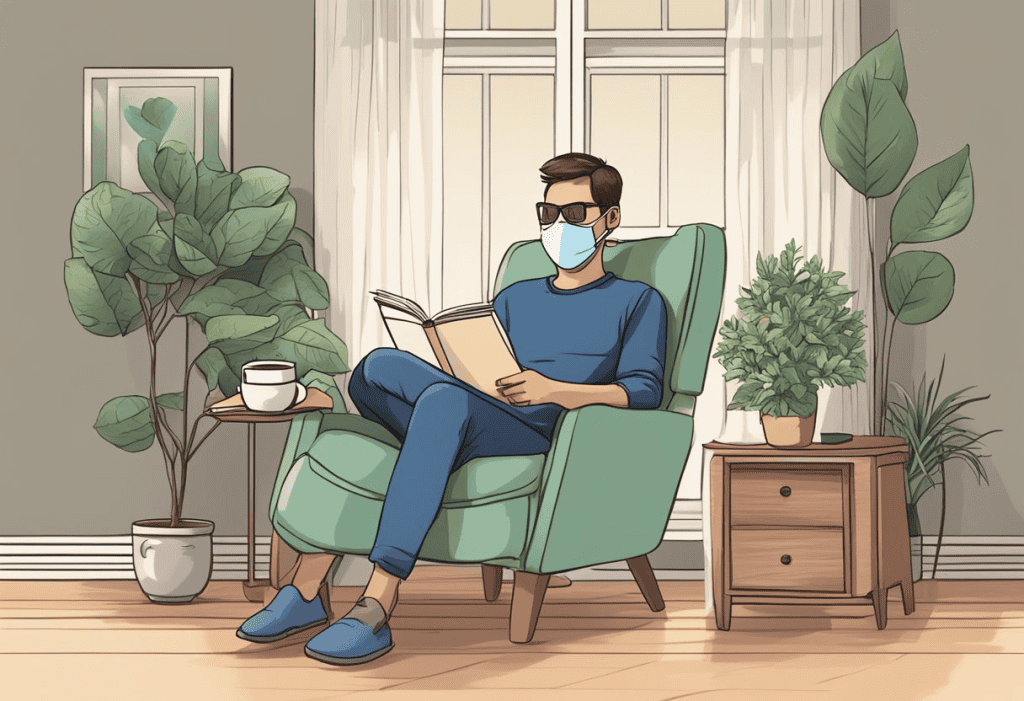
Choosing the right leisure activities can help manage sleep apnea symptoms and improve overall health.Some with sleep apnea worry about exercising. In reality, physical activity can support sleep and health.
There are also relaxing activities that can promote better sleep by reducing stress and preparing your body for rest.
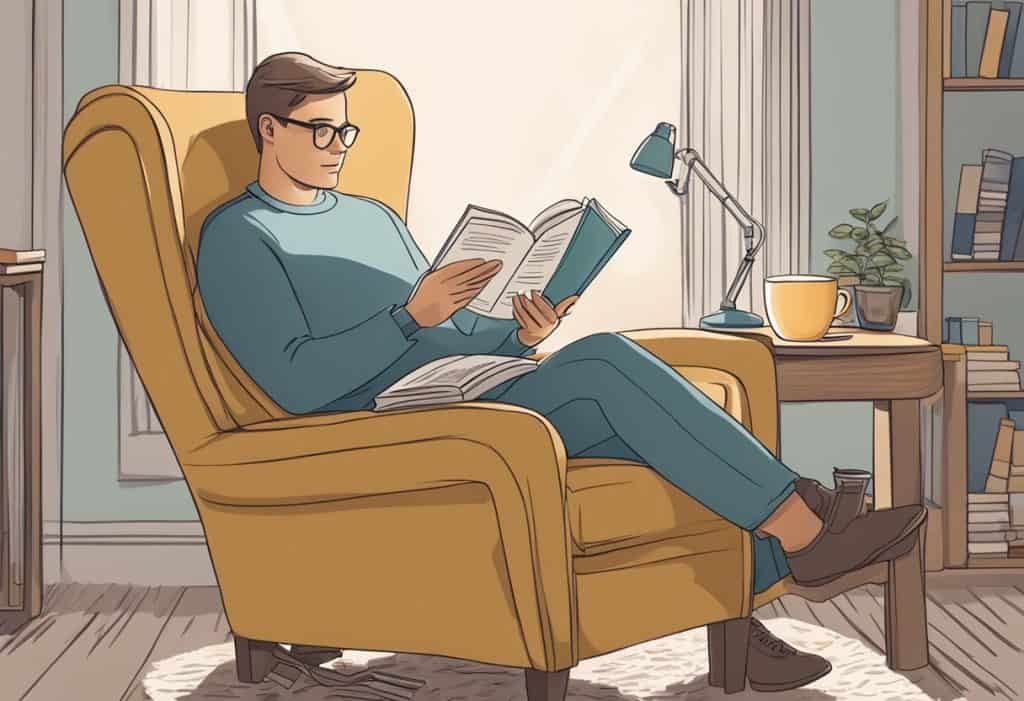
Reading, doing puzzles, or listening to calming music before bed can help your mind unwind, reduce stress, and make it easier to fall asleep, while limiting disruptions from sleep apnea.
Understanding Sleep Apnea and Leisure Choices

Proper leisure activities can directly impact sleep apnea. Exercise improves sleep quality and can reduce episodes by boosting fitness. Strengthening the throat muscles through singing may help keep the airways open.
Avoid activities that worsen symptoms, like drinking alcohol before bed or watching TV late. These relax throat muscles and disrupt sleep.
Outdoor activities during daylight hours can help regulate your body’s internal clock, making it easier to fall asleep at night and supporting consistent sleep patterns for those with sleep apnea.
Engaging in calming hobbies before bed, such as reading to quiet the mind or doing puzzles to ease tension, can lower stress levels and help you transition to restful sleep, making sleep disturbances from apnea less frequent.
Essential Considerations for Activity Selection
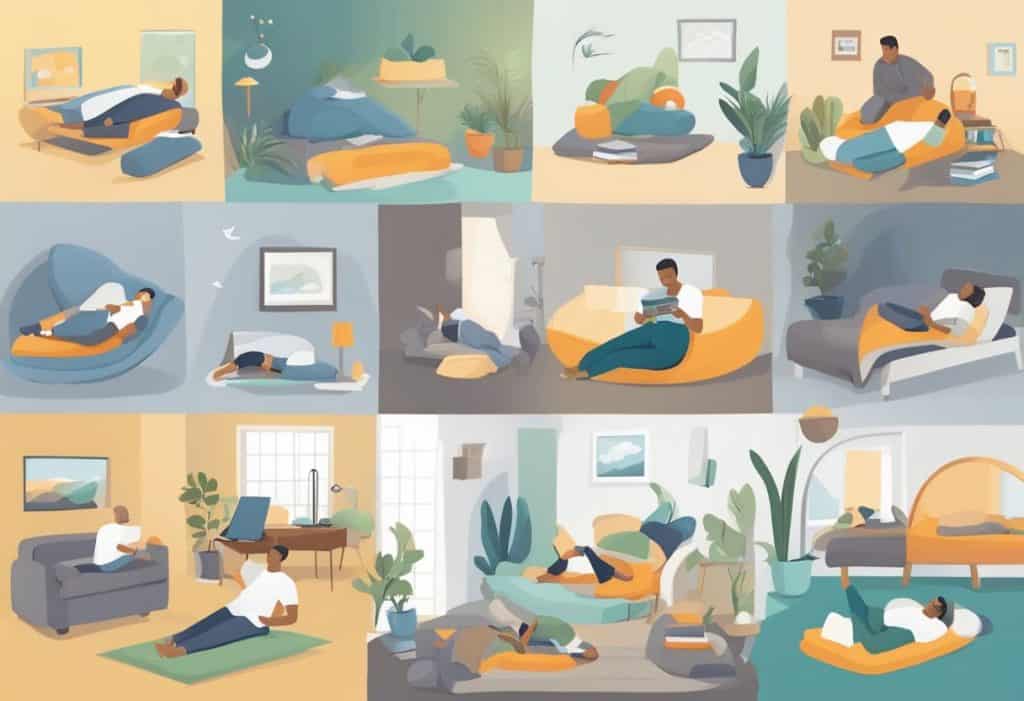
Consider timing and intensity when choosing activities. High-energy activities earlier in the day can boost energy and well-being, giving your body time to unwind before sleep and supporting better sleep.
Choose activities that aid weight management, as extra weight may worsen sleep apnea. Swimming, cycling, or brisk walking work well.
Choose stress-reducing hobbies like gardening or painting, as stress can worsen sleep apnea symptoms. Activities like yoga or tai chi may improve breathing and promote relaxation, supporting better sleep quality.
Always consult your doctor before starting new activities, especially if they’re physically demanding. They can advise on what’s safe and effective for your specific condition.
Recommended Leisure Activities for Sleep Apnea
Gentle Physical Exercises
Yoga and meditation are excellent choices for people with sleep apnea. These practices can help you relax and improve breathing. Try gentle yoga poses like child’s pose or cat-cow stretch. Hold each pose for 5-10 breaths.
Focus on your breath. When your mind drifts, gently return to breathing. Progressive muscle relaxation is another helpful technique. Start at your toes and work up, tensing and relaxing each muscle group.
Walking, swimming, and cycling are good low-impact exercises. Aim for 30 minutes, 5 days a week. Walking is easy and free. Start with short walks and gradually increase your distance.
Swimming is great for fitness. The water supports your body and eases joint strain. Cycling, outside or on a stationary bike, is low-impact and can be at your own pace. Consult your doctor before starting a new exercise routine.
Creative and Cognitive Skills Development
Engaging your mind can help reduce stress and improve overall well-being. Try activities that challenge your brain.
Puzzles, like crosswords or Sudoku, are great for mental stimulation. Start with easy ones and work your way up. Reading is a relaxing way to engage your mind. Choose books on topics that interest you. Learning a new skill, like painting or playing an instrument, can be rewarding. Start with beginner-friendly projects or lessons.These activities help you relax and manage sleep apnea without affecting rest.
Customizing Your Leisure Environment
Small changes to your activities and space can improve sleep quality and enjoyment.
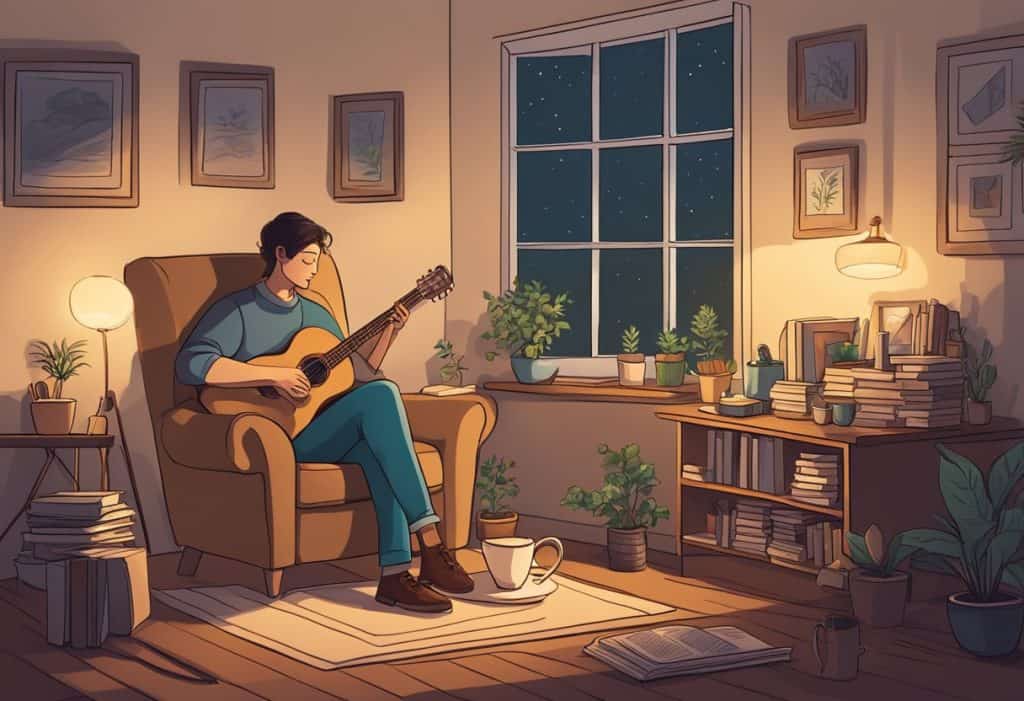
Create a relaxing hobby space with soft lighting, comfortable seating, and a cool temperature of about 65°F (18°C). Choose quiet activities in the evening. Read, draw, or do puzzles to relax. For music, pick calming, slow tunes. Avoid bright screens before bed. If you use devices, install blue light filters or wear glasses to reduce disruption.
Keep a steady schedule for your leisure time. Stick to regular start and end times to maintain your sleep routine.
Monitoring and Adjusting Activities Over Time
Track your activities to manage sleep apnea. Use a journal or app to monitor sleep and record how you feel afterward. Notice how activities affect your energy and sleep. Some may surprise you.
Adjust your routine as needed. If evening walks help, do them more. Cut late-night TV if it disrupts rest. Stay flexible. What works now might not work next month; needs can shift with seasons or life changes.
Consider these factors when monitoring your activities:
- Time of day
- Duration
- Intensity
- Location (indoor vs. outdoor)
- Solo or social
Have regular doctor check-ins. Share your activity log and concerns so they can help fine-tune your approach.
Frequently Asked Questions
What are safe and effective throat exercises for managing sleep apnea?
Throat exercises can help strengthen the muscles in your airway. Try tongue slides, where you push your tongue against the roof of your mouth and slide it backward. Another useful exercise is pursed lip breathing, which involves breathing out slowly through pursed lips.
Can regular singing exercises help alleviate sleep apnea symptoms?
Singing can be a fun and effective way to strengthen your throat muscles. Practice holding notes for extended periods or singing scales. These exercises can improve muscle tone in your upper airway, potentially reducing sleep apnea symptoms.
How can individuals with sleep apnea improve their energy levels during the day?
To boost your energy, stick to a consistent sleep schedule. Avoid caffeine and heavy meals close to bedtime. Daily exercise can also increase your overall energy levels and improve the quality of your sleep.