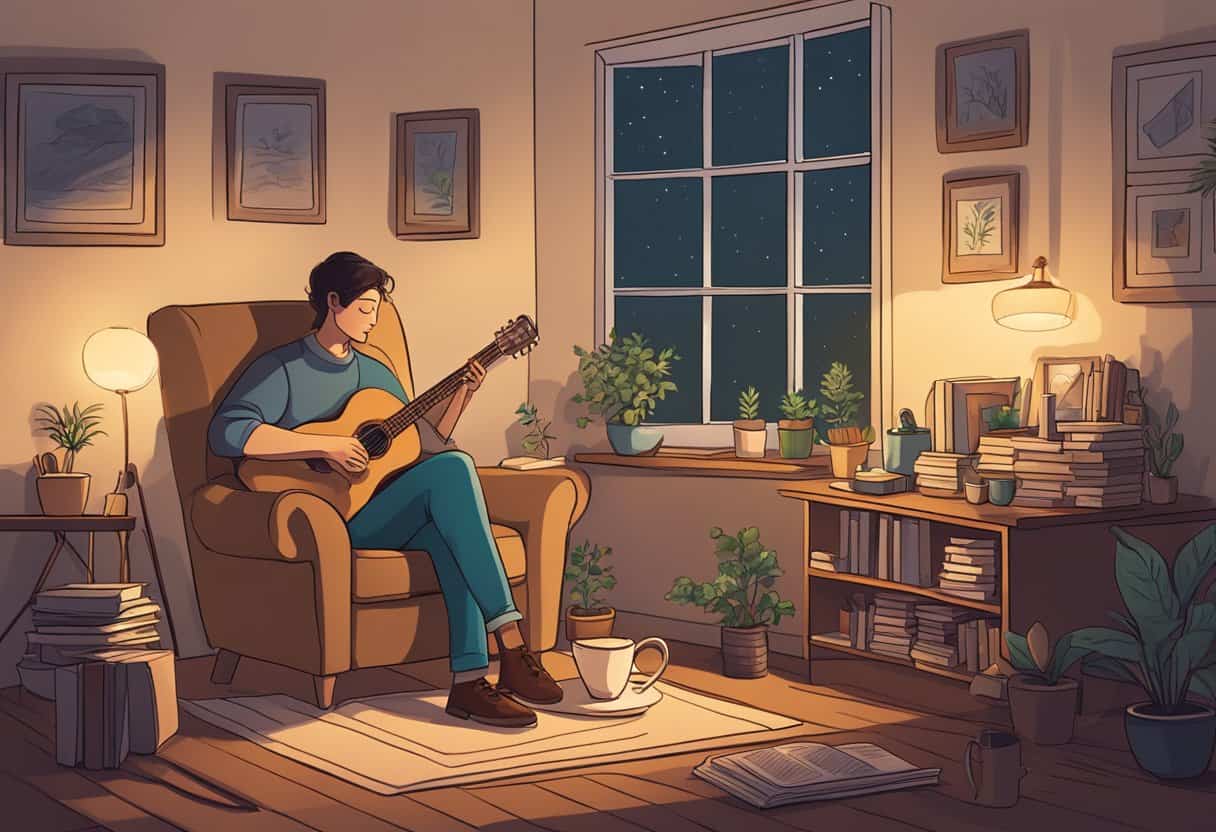
Sleep apnea can make getting a good night’s rest challenging. Many people turn to technology for help, but leisure activities for sleep apnea that are tech-free may be the better choice. Incorporating Leisure Activities For Sleep Apnea into your routine can greatly enhance your relaxation.
Tech-free leisure activities can actually improve sleep quality for those with sleep apnea. Regular exercise can reduce sleep apnea symptoms and help you sleep more soundly. Engaging in Leisure Activities For Sleep Apnea is a great way to enhance relaxation.
Taking a break from screens before bed can make a big difference. Your brain needs time to wind down and prepare for sleep.
Tech-free activities can help you relax and get ready for bed in a more natural way.
By choosing activities that don’t involve screens, you give your mind and body a chance to slow down. This can lead to better sleep and fewer sleep apnea symptoms.
Let’s explore some tech-free options that can help you get the rest you need.
Consider exploring a variety of leisure activities for sleep apnea, as they can foster a calming environment and promote better sleep.
The Impact of Sleep Quality and Sleep Apnea
Sleep apnea is a serious condition that affects breathing during sleep. It can lead to poor sleep quality and health problems if left untreated. Knowing the symptoms and impacts can help you seek proper care.
Poor sleep from sleep apnea can harm your health in many ways. It may raise your risk of heart disease, high blood pressure, and stroke. You might feel very tired during the day, which can affect your work and daily life.
Sleep apnea can also cause mood changes. You may feel irritable or depressed. It can make it hard to focus and remember things.
Weight gain is another possible effect. This can create a cycle, as extra weight can make sleep apnea worse.
Getting good sleep is key for your immune system. With sleep apnea, you may get sick more often.
Symptoms of Sleep Apnea Symptoms
The main sign of sleep apnea is stopping breathing during sleep. This can happen many times each hour. You might not know this is happening, but your bed partner may notice.
Other common symptoms include:
- Loud snoring
- Gasping or choking during sleep
- Waking up with a dry mouth or sore throat
- Morning headaches
- Excessive daytime sleepiness
- Trouble concentrating
- Mood changes or irritability
If you have these symptoms, it’s important to talk to your doctor. They can help diagnose sleep apnea and find the right treatment for you.
Benefits of Tech-Free Leisure Activities For Sleep Apnea
Tech-free leisure activities can greatly improve sleep quality for sleep apnea patients. These activities help reduce screen time before bed and promote relaxation, leading to better rest.
Using electronic devices before bedtime can disrupt your sleep patterns. The blue light from screens interferes with your body’s production of melatonin, the hormone that regulates sleep. This can make it harder for you to fall asleep and stay asleep.
For sleep apnea patients, this added sleep disruption can worsen symptoms.
By cutting out tech use in the evening, you give your body a chance to naturally prepare for sleep. This can lead to:
- Faster sleep onset
- Deeper, more restorative sleep
- Fewer nighttime awakenings
- Reduced daytime fatigue
Aim to put away all devices at least 1-2 hours before bedtime. This simple change can have a big impact on your sleep quality.
Leisure Activities for Sleep Apnea That Assist With Relaxation
Engaging in tech-free leisure activities can help you relax and reduce stress. This is especially important for sleep apnea patients, as stress can worsen symptoms.
Some beneficial tech-free activities include:
- Reading a book
- Practicing gentle yoga or stretching
- Listening to calming music
- Meditating or deep breathing exercises
- Crafting or drawing
These activities help lower your heart rate and blood pressure. They also promote the release of feel-good hormones that counteract stress. By making time for these activities, you create a buffer between busy daytime activities and sleep.
Try to incorporate at least one tech-free relaxation activity into your nightly routine. This can help signal to your body that it’s time to wind down and prepare for sleep.
Implementing Tech-Free Leisure Activites For Sleep Apnea

Creating tech-free habits can greatly improve your sleep quality. By replacing screen time with calming activities, you’ll prepare your body and mind for restful sleep.
Establishing a Nightly Ritual
Start your tech-free routine about an hour before bed. Turn off all electronic devices and place them in another room. This helps reduce the temptation to check screens.
Replace screen time with relaxing activities:
- Read a physical book
- Practice gentle stretching or yoga
- Write in a journal
- Listen to calm music or nature sounds
These activities signal to your brain that it’s time to wind down.
Consistency is key. Try to follow your chosen routine every night, even on weekends.
Environment Optimization for Better Sleep
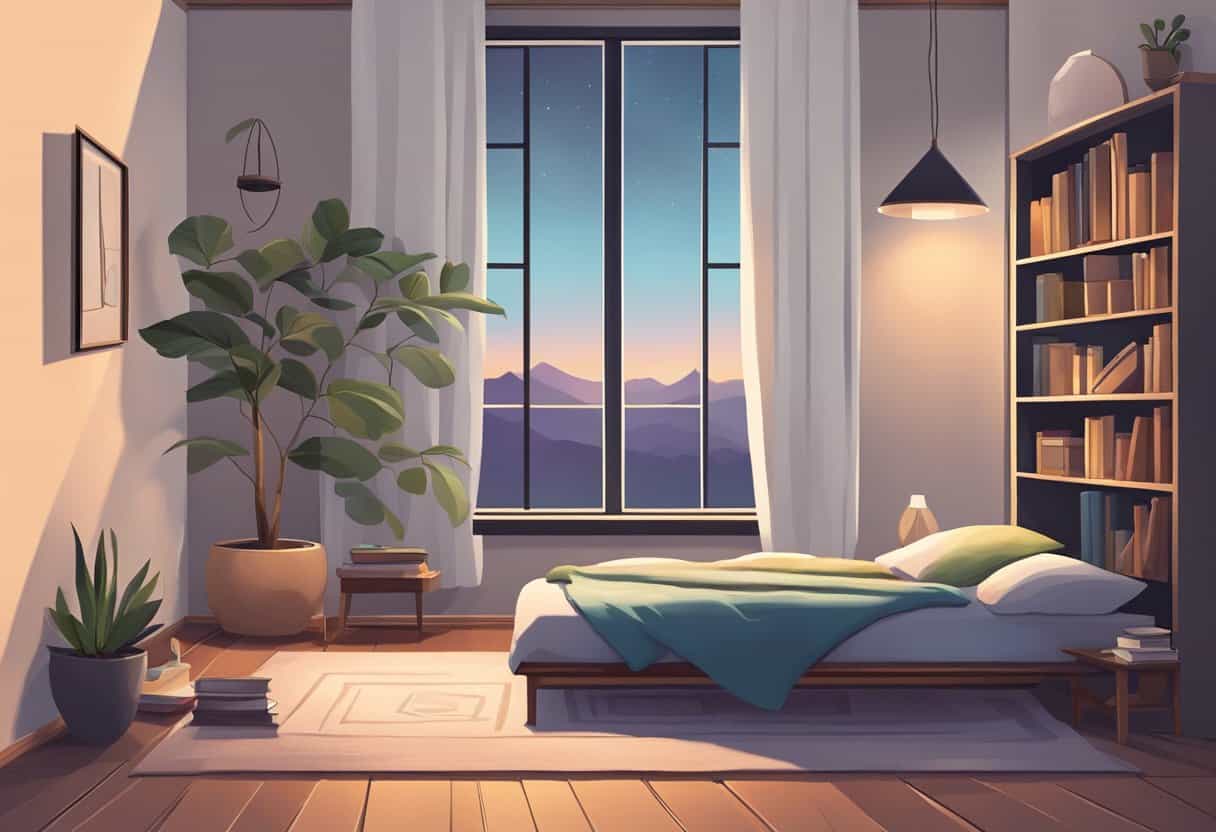
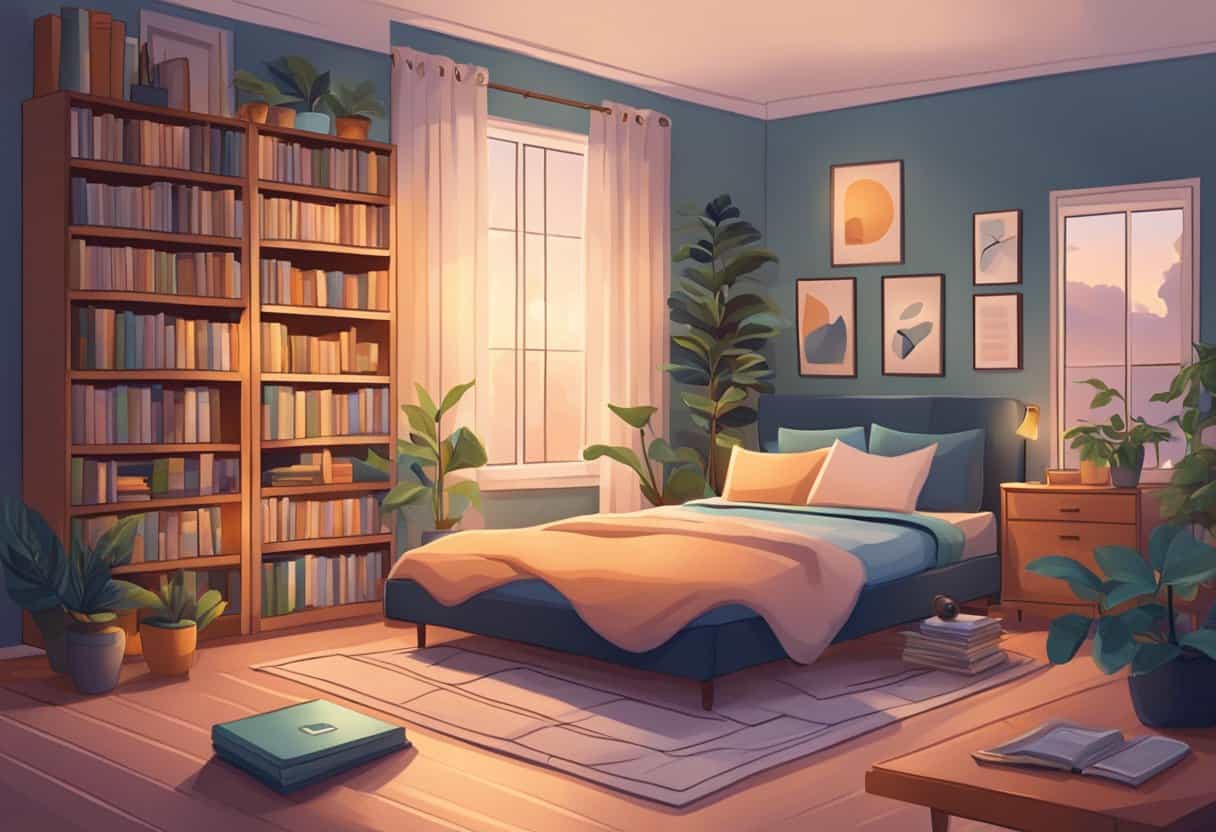
Create a sleep-friendly bedroom environment. Keep your room cool, dark, and quiet. Use blackout curtains or an eye mask to block out light.
Consider using white noise or earplugs to mask disruptive sounds. Remove all electronic devices from your bedroom. This includes TVs, computers, and smartphones.
Set up a charging station for your devices in another room. Use a traditional alarm clock instead of your phone. This prevents late-night scrolling and exposure to sleep-disrupting blue light.
Keep relaxing items nearby, such as:
- A good book
- Aromatherapy diffuser
- Soft blankets
- Comfortable pillows
These elements work together to create a peaceful, tech-free sleep environment.
Suggested Tech-Free Leisure Activities
Taking a break from screens can improve your sleep quality. Try these relaxing activities before bed to help manage sleep apnea symptoms.
Physical Exercise to Encourage Sleep Readiness
Light exercise in the evening can help you feel more tired at bedtime. Try a 30-minute walk after dinner to boost your mood and tire your body. Gentle stretching or yoga can also relax tense muscles and calm your mind.
Swimming is another great option. The water’s resistance provides a full-body workout without straining your joints.
Aim for 20-30 minutes of moderate exercise most days of the week.
Remember to finish exercising at least 2 hours before bed. This gives your body time to cool down and relax.
Mindfulness and Meditative Practices
Meditation and deep breathing can reduce stress and prepare you for sleep. Start with 5-10 minutes of guided meditation using an audio recording. Focus on your breath and let go of racing thoughts.
Progressive muscle relaxation is another helpful technique. Tense and relax each muscle group in your body, starting from your toes and working up to your head. This releases physical tension and promotes mental calmness.
Journaling before bed can also clear your mind. Write down any worries or to-do lists to set them aside for the night.
Creative Hobbies to Promote Relaxation
Engaging in a calm, creative activity can help you unwind.
Try adult coloring books with intricate patterns. The repetitive motions are soothing and help quiet your mind.
Knitting or crocheting are also great options. The rhythmic movements can be meditative and produce a sense of accomplishment. Start with simple projects like scarves or dishcloths.
Reading a physical book is another excellent choice. Choose light fiction or inspiring non-fiction to avoid overstimulating your brain. Limit yourself to 30-60 minutes of reading to avoid staying up too late.
Frequently Asked Questions
What types of physical activities are recommended for individuals with sleep apnea to enhance their sleep quality?
For sleep apnea patients, moderate-intensity activities can benefit sleep quality. Walking, swimming, and cycling are excellent options. These exercises help strengthen your cardiovascular system and improve overall fitness.
Can specific throat or oral exercises alleviate the effects of sleep apnea, and if so, which ones?
Yes, certain exercises can help. Threshold Inspiratory Muscle Training is one effective technique. This involves breathing against resistance to strengthen your respiratory muscles. Tongue exercises can also be useful. Try pressing your tongue against the roof of your mouth and sliding it backward for a few minutes daily.
Is there an optimal time of day to exercise for improving sleep quality in sleep apnea patients?
The best time to exercise is typically in the morning or afternoon. This allows your body temperature to return to normal before bedtime.